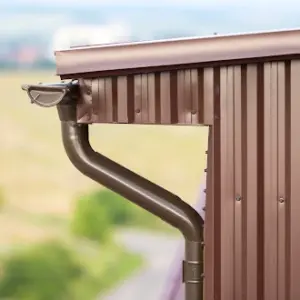

Gutters may not be the most exciting part of a home, but they play a vital role in protecting your property from water damage. Properly installed gutters safely direct rainwater away from your roof, siding, and foundation. Without them, your home could face serious issues like wood rot, foundation cracks, or basement flooding.
Homeowners trust All-Star Seamless Gutters for professional gutter installation services that ensure durability and long-lasting performance. This guide will walk you through the process, tools, and techniques needed for a successful gutter project.
Why Proper Gutter Installation Matters
Poorly installed gutters can create major problems. Water overflow can pool near your home’s foundation, causing structural damage over time. Even small leaks can lead to wood rot, basement flooding, or erosion around your property. By installing gutters at the correct angle and with the right components, water is safely guided away from your home, protecting both your roof and your foundation.
Benefits of Gutters for Your Home
Before learning how to install them, let’s talk about why gutters matter. Their main job is to control rainwater. Okay, what else?
Here is everything gutters help with
| Protecting your roof edges | Keeping basements dry |
| Reducing soil erosion | Preventing water stains on siding |
Tools and Materials Needed
Installing gutters requires more than a ladder. Here’s what you’ll need for a safe and effective setup:
- Gutter sections or seamless gutters
- Downspouts and elbows
- Hangers and brackets
- Screws and sealant
- Measuring tape and level
- Chalk line
Step-by-Step Gutter Installation Guide
Follow these professional steps to install gutters correctly:
Step 1: Measure and Plan
Measure the roof edges to determine gutter length. Identify where downspouts will be placed to ensure water flows away from your home’s foundation. Accurate measurements prevent leaks and fit issues.
Step 2: Set the Proper Slope
Gutters should have a slight slope, about 1/4 to 1/2 inch per 10 feet, to allow water to flow toward downspouts. Use a chalk line to mark the slope on the fascia board. A proper slope prevents standing water and ensures efficient drainage.
Step 3: Attach Hangers and Gutters
Secure the hangers or brackets to the fascia board, then lift the gutter sections into place. Seamless gutters are ideal for reducing leaks, as they eliminate joints along the run.
Step 4: Connect Downspouts
Install downspouts and elbows to channel water from the gutter to a safe drainage area. Ensure downspouts direct water away from the foundation to prevent flooding and erosion.
Step 5: Test the System
Run water through the gutters using a garden hose. Check for leaks, proper flow, and any drips at joints or connections. Adjust hangers or seals as necessary.
Common Gutter Installation Mistakes
Even small errors can reduce gutter performance or shorten lifespan. Avoid these mistakes:
- Incorrect slope
- Loose hangers or brackets
- Poor sealing at joints
- Improper downspout placement
For guaranteed results, consider professional gutter installation services.
Recommended Gutter Materials
Choosing the right material ensures long-term durability:
- Aluminum: Rust-resistant, lightweight, and lasts 20+ years.
- Copper: Long-lasting, visually appealing, but more expensive.
- Steel: Strong and durable, suitable for heavy snow regions.
- Vinyl: Affordable and lightweight, but less durable.
To Sum Up
Gutters play a big role in protecting your home from water damage. You deserve to enjoy the sound of rain as much as others without worrying about your gutter system leaking. Sure, installing them is precise work, but the results are worth it when done correctly. So, whether you are learning how gutters work or looking for expert installation, All-Star Seamless Gutters is here to help.
Frequently Asked Questions
Do you nail or screw gutters?
Screws are preferred for stronger attachment to the fascia board.
What gap should be between the roof and gutters?
Maintain a 0.5–1 inch gap between the roof drip edge and the gutter.
Is minor dripping normal in heavy rain?
Minor dripping can occur between sections, but persistent leaks indicate clogs or loose hangers.
What is the minimum slope for gutters?
Gutters require a slope of at least 1/2 inch per 10 feet to ensure proper drainage.
What is the best gutter material?
Aluminum is ideal for most residential applications due to its rust resistance and long lifespan. Stainless steel is recommended for heavy snow areas.